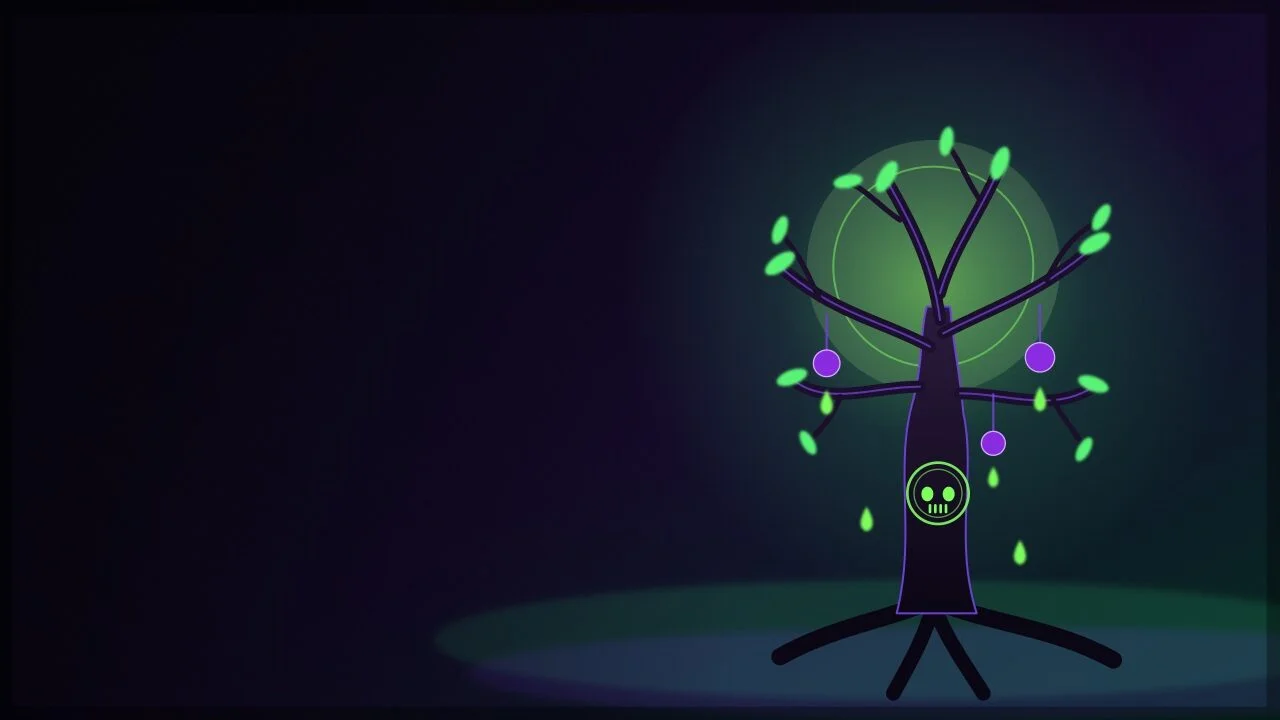
Maya was halfway through a sketch consultation when her tattoo artist asked a simple question: “So what does this tree mean to you?” She had saved a gnarled, bare tree with a single apple, and she knew she loved it. But when she tried to explain, she froze. “It’s about… not saying what you feel?” Her artist nodded. “Ah, the Blake one.”
That moment is common. People often choose a design before they can put its meaning into words. The poison tree tattoo meaning is rooted in a short, famous poem about anger, and the way you describe it changes how others understand your ink. Calling it a “grudge tattoo” sounds very different from calling it a “reminder to speak up.”
This guide explains the meaning in plain English and shows where it came from. It also gives you 20 alternative ways to describe it, sorted by tone, so you can explain your tattoo clearly in an email to your artist, a class presentation, a caption, or a chat with a curious coworker.
What Does “Poison Tree Tattoo Meaning” Mean?
Poison tree tattoo meaning refers to the symbolism behind a tattoo of a tree linked to poison, most often inspired by William Blake’s 1794 poem “A Poison Tree.” The design typically represents suppressed anger, resentment left unspoken, and the harm that hidden grievances can cause. Some wearers also use it to mark forgiveness or recovery.
Here is the core idea. In the poem, a speaker who talks openly about their anger with a friend watches that anger end. A speaker who hides their anger from an enemy lets it grow in secret. Eventually it produces something deadly. The tattoo captures that lesson in one image.
People most often choose it in these situations:
- After a painful conflict they chose to stay silent about
- As a reminder to communicate before resentment builds
- To honor a love of literature, especially Romantic-era poetry
- To mark personal growth, such as therapy, forgiveness, or a healthier way of handling anger
The design has no single official meaning. Blake’s poem is the most common source, but each wearer adds a personal layer.
Origin & History of “Poison Tree Tattoo Meaning”
The Literary Origin: William Blake’s Poem
The main source is “A Poison Tree” by William Blake, an English poet and artist. It appeared in his 1794 collection Songs of Experience. The poem is only sixteen lines long, but it is one of the most studied short poems in English.
Blake’s early notebook draft was titled “Christian Forbearance.” That detail matters. He was questioning the idea that patiently swallowing your anger is a virtue. In the poem, the hidden anger doesn’t fade. It grows into a poisoned fruit, and the speaker ends up satisfied by the enemy’s death. It is a dark ending, and Blake meant it to be uncomfortable.
Other Theories and Related Tree Symbols
Not everyone who gets a poison tree tattoo is thinking of Blake. Three other sources often blend into the design:
- The Upas tree legend. In the 1780s, a story spread through Europe about a deadly tree in Java whose fumes supposedly killed anything nearby. The story was heavily exaggerated, though the real tree’s sap was used to poison arrows. For centuries, “upas tree” became shorthand for a corrupting influence.
- The manchineel tree. Found in the Caribbean and Florida, it is one of the most toxic trees in the world. Its small, apple-like fruit is dangerous, so it is a natural real-world match for the apple in Blake’s poem.
- The Tree of Knowledge. The apple also echoes the biblical forbidden fruit, which adds themes of temptation and consequence.
How the Meaning Has Evolved
For much of the twentieth century, the poem was mainly something students analyzed in class. In the last two decades, the image has become popular in fine-line, blackwork, and illustrative tattoo styles, partly because bare branches and a single fruit look striking in ink. Meanwhile, wider public conversation about mental health has shifted how people read it. Many now see it as a symbol of emotional honesty, not only of revenge. The darkest reading still exists, but a more hopeful one has joined it: the tree is what happens when feelings go unspoken, and the tattoo is a promise to do otherwise.
Synonyms & Alternatives by Tone
Here are 20 other ways to describe the poison tree tattoo meaning. Each one is explained in detail further down, where noted.
Professional & Neutral Alternatives
- Poison tree tattoo symbolism
- Suppressed anger symbolism
- Blake-inspired tattoo meaning
- “A Poison Tree” tattoo interpretation
- Literary tattoo about wrath and silence
Polite & Supportive Alternatives
- Tattoo about unspoken feelings
- Reminder to speak up
- Symbol of emotional honesty
- Tattoo of healing from resentment
- Symbol of letting go
Encouraging & Reassuring Alternatives
- A reminder to forgive
- A promise to speak your truth
- Mark of emotional growth
- Symbol of choosing communication
- A reminder that anger can be released
Casual, Playful & Idiomatic Alternatives
- Don’t bottle it up tattoo
- Bury the hatchet tattoo
- Clear-the-air ink
- Grudge tree ink
- Anger-tree tat
When Should You Use “Poison Tree Tattoo Meaning”?
Professional Settings
Use the exact phrase when you are researching a design with an artist, writing a studio brief, or presenting on symbolism. It signals that you are asking about meaning, not just looks. In a creative or design role, it also helps you describe a client’s request accurately.
Casual Conversations
Friends and family will usually understand a shorter version, such as “It’s from a Blake poem about holding in anger.” In casual talk, a one-sentence story beats a formal label.
Writing, Presentations, and Digital Communication
The phrase works well as a search term, a blog topic, a slide title, or a caption heading. It is specific enough that readers know what to expect.
When It Is Especially Effective
The phrase works best when you want to explain both the source and the personal meaning. “Poison tree tattoo meaning” covers the poem, the symbolism, and the wearer’s intent in one phrase. That makes it useful for anyone teaching, writing, or deciding whether the design fits them.
When Should You Avoid “Poison Tree Tattoo Meaning”?
Overly formal situations. In a formal academic paper, write “the symbolism of Blake’s ‘A Poison Tree’ in contemporary tattoo culture” instead. The shorter phrase sounds like a search query.
Legal, academic, or sensitive contexts. If a tattoo comes up in a workplace policy discussion, a court setting, or a conversation about someone’s mental health history, label it neutrally. Describing someone’s tattoo as “about anger” can sound like a judgment about their character.
Situations where nuance may be lost. The phrase has a dark edge. If you say it to someone who doesn’t know the poem, they may hear “poison” and assume violence or toxicity. Add one line of context, such as “It’s about how unspoken anger grows.”
Is “Poison Tree Tattoo Meaning” Professional, Polite, or Casual?
Tone. It is neutral and informational, closer to a search query than a statement. It carries no strong emotion on its own.
Formality level. Low to medium. It works in a blog, a classroom, or a studio chat. It isn’t built for formal writing.
Emotional subtext. The word “poison” brings a darker undertone than “tree of life” or “growth.” Listeners may picture bitterness, revenge, or hidden pain. If your own meaning is hopeful, say so.
Audience perception. Literature fans hear Blake. Tattoo enthusiasts hear a stylish, moody design. People who know neither may hear a warning. Context decides which reading wins.
Pros and Cons of Using “Poison Tree Tattoo Meaning”
Advantages
- Clarity: It names the subject precisely, so readers and listeners know what is being discussed.
- Efficiency: Four words replace a long explanation of the poem, the symbolism, and the design.
- Accessibility: It is easy to understand, even for ESL learners who have never read Blake.
Potential Drawbacks
- Oversimplification: Reducing the poem to “anger” misses its irony, its critique of forbearance, and its dark humor.
- Tone mismatch: The phrase can sound heavy when the wearer’s meaning is about healing.
- Repetition: In longer writing, repeating it often feels stiff. Alternatives such as “symbol of emotional honesty” keep the text fresh.
A balanced approach is to use the phrase once for clarity and then switch to alternatives that match the tone you want.
Real-Life Examples of “Poison Tree Tattoo Meaning” by Context
Email (to a tattoo artist):
“Hi Dana, before we book, could you tell me how you usually handle the poison tree tattoo meaning in your designs? I want it to feel hopeful, not grim, so I’m thinking a small apple and some new leaves.”
Meeting (design studio):
“The client wants a poison tree piece, but they’re not into the revenge angle. Let’s ask them what the poison tree tattoo meaning is for them before we draw anything.”
Presentation (literature class):
“On this slide, I’m covering the poison tree tattoo meaning, and why a 1794 poem is showing up on forearms today.”
Conversation (friends):
“Wait, what’s the poison tree tattoo meaning? Is it about getting back at someone?”
“Kind of the opposite. It’s about what happens when you don’t say what’s bothering you.”
Social media (caption):
“Got my first tattoo today. The poison tree tattoo meaning is personal: say it out loud before it grows.
“Poison Tree Tattoo Meaning” vs Similar Expressions (Key Differences)
| Phrase | Meaning Difference | Tone Difference | Best Use Scenario |
| Tree of life tattoo meaning | Represents growth, family, and connection instead of harm | Warm and hopeful | Describing positive or family-centered designs |
| Upas tree tattoo meaning | Refers to a legendary deadly tree, not a poem about anger | Mysterious, historical | Discussing folklore or botanical imagery |
| Tree of knowledge tattoo meaning | Focuses on wisdom, temptation, and consequence | Spiritual, philosophical | Religious or reflective designs |
| Wrath tattoo meaning | Names anger directly, without the idea of hidden growth | Blunt, intense | Seven deadly sins themes |
| Snake and apple tattoo meaning | Highlights temptation and betrayal | Dramatic | Designs with biblical symbolism |
| Grudge tattoo | Centers on holding resentment, with less nuance | Casual, edgy | Informal talk among friends |
The key difference: the poison tree tattoo meaning is about anger that is hidden and then grows. Most similar phrases focus on a single emotion or a single story and leave out that slow, hidden process.
Common Mistakes & Misuse of “Poison Tree Tattoo Meaning”
Overuse. Repeating the phrase in every sentence of an essay or caption makes it sound robotic. Introduce it once, then vary your wording.
Incorrect context. Some people assume the tattoo glorifies revenge. Blake’s poem is a warning, not a celebration. Describing it as pro-violence misreads the source.
Contradictory usage. Saying “it’s about forgiveness” while describing a design full of skulls and thorns can confuse people. Match your imagery to your message.
Cultural misunderstandings. In some cultures, trees carry sacred or protective meanings, and “poison” may seem strange or ominous next to them. Also, not everyone knows Blake. Don’t assume shared background, especially with international audiences.
Psychological Reason People Prefer “Poison Tree Tattoo Meaning”
Cognitive load reduction. One phrase tells the whole story: tree, poison, tattoo, meaning. That means less effort to explain and less effort to search.
Trust and authority signals. Linking a tattoo to a recognized literary work gives it credibility. “It’s from a Blake poem” carries more weight than “I just liked the look.”
Attention economy. The phrase is short, a little dark, and curious. Those qualities help it stand out in search results and social feeds.
Modern communication habits. People increasingly want to talk about emotions like anger, resentment, and burnout. A tattoo that symbolizes “say it before it festers” fits that shift. If anger feels hard to manage in your own life, a counselor or therapist can help you build practical tools. A tattoo can be a reminder, but it can’t replace support.
US vs UK Usage of “Poison Tree Tattoo Meaning”
Popularity. The phrase appears in both countries, but the UK has a built-in cultural link because Blake is English and his poems are often studied in school. In the US, it spreads more through tattoo culture, social media, and literature classes.
Tone perception. British speakers may hear the phrase as literary and slightly academic. American speakers may hear it as an aesthetic or personal choice.
Regional preferences. Spelling and vocabulary shift slightly:
- US: tattoo artist, color, gray-wash
- UK: tattooist, colour, grey-wash, and the casual “tat” or “ink”
“Poison Tree Tattoo Meaning” in Digital & Modern Communication
Emails. Use it clearly in subject lines, such as “Design question: poison tree tattoo meaning,” so the recipient knows your purpose.
Slack / WhatsApp. Shorten it. “Is the poison tree one about holding grudges?” works better than a long explanation.
Social media. Pair the phrase with a personal sentence. A caption like “My poison tree tattoo meaning: speak before it spreads” performs better than a bare hashtag because it tells a story.
AI-generated summaries. Search tools and AI assistants tend to pull short, direct definitions. Clear, factual sentences, like the one near the top of this article, are far more likely to be surfaced than vague or poetic ones.
Linguistic & Communication Insight
Emotional weight & subtext. Native speakers hear more than the literal words. “Poison” signals danger, betrayal, or slow harm. “Tree” suggests growth over time. Together they imply that something harmful is quietly growing, and that unspoken subtext is the real message of the phrase.
Direct vs indirect phrasing. “Poison tree tattoo meaning” is direct: it names the subject and the topic of interest. “Reminder to speak up” is indirect and softer. It focuses on the action instead of the harm. In a workplace or a supportive conversation, the indirect version reduces tension.
Professional communication perspective. In a studio or classroom, the phrase reads as curious and informed. In an HR or medical setting, it could raise eyebrows if the listener assumes “poison” signals aggression. Adding context prevents that.
Pragmatic reasons for alternatives. Experienced communicators often swap in gentler phrasing to lower defensiveness. “Symbol of emotional honesty” invites conversation, while “anger tattoo” can end it. Alternatives also help you match your audience: students may prefer “Blake-inspired,” and friends may prefer “don’t bottle it up.”
Social signaling. Word choice tells people who you are. Using the literary framing signals education and thoughtfulness. Using the casual framing signals approachability. Neither is better. Choose the one that fits your goal.
Tone & context guidance. The phrase is safest when you can explain it in one sentence. It is riskiest when the audience is unfamiliar, the setting is sensitive, or the tone you want is purely positive.
Meaning, Usage & Examples for Each Alternative
Poison Tree Tattoo Symbolism
Meaning: The ideas a poison tree design stands for, mainly hidden anger and its consequences.
Why This Phrase Works: “Symbolism” sounds thoughtful and invites explanation.
Real-World Usage Insight: Common in tattoo blogs, studio consultations, and art classes.
Best Use: Articles, consultations, school projects.
Avoid When: Chatting casually with friends.
Tone: Neutral, informed.
US vs UK Usage: Used equally in both; the UK leans slightly more literary.
Example (Email): “Could you walk me through the usual poison tree tattoo symbolism before I commit to a design?”
Suppressed Anger Symbolism
Meaning: Focuses on the emotional core: anger that is held in, not expressed.
Why This Phrase Works: It names the psychology behind the poem directly.
Real-World Usage Insight: Helpful in discussions that link art with emotion.
Best Use: Writing, reflection, therapy-adjacent conversations.
Avoid When: The listener may take it as a personal diagnosis.
Tone: Analytical, serious.
US vs UK Usage: “Suppressed” is common in both; the UK may prefer “repressed” in academic contexts.
Example (Meeting): “The client’s concept is really suppressed anger symbolism, so let’s keep the branches dark but add one living leaf.”
Blake-Inspired Tattoo Meaning
Meaning: The significance of a tattoo drawn from William Blake’s poem or art.
Why This Phrase Works: It credits the source and sets context immediately.
Real-World Usage Insight: Popular with literature lovers who want to share the origin.
Best Use: Presentations, bookish communities, class discussions.
Avoid When: Your audience doesn’t know who Blake is and you haven’t explained.
Tone: Literary, respectful.
US vs UK Usage: Feels more natural in the UK; widely understood in the US among readers.
Example (Social Media): “Blake-inspired tattoo meaning, in one line: say it before it grows.”
A Poison Tree Tattoo Interpretation
Meaning: A personal or critical reading of what the design represents.
Why This Phrase Works: “Interpretation” acknowledges there is more than one valid reading.
Real-World Usage Insight: Fits discussions where people share different takes.
Best Use: Essays, forums, workshops.
Avoid When: You want a quick, one-line answer.
Tone: Thoughtful, open-minded.
US vs UK Usage: Equal in both.
Example (Meeting): “My interpretation is that the tree shows what happens when you avoid a hard conversation. What’s yours?”
Emotional Honesty Symbol
Meaning: The tattoo stands for being open about your feelings.
Why This Phrase Works: It reframes the dark image as a positive value.
Real-World Usage Insight: Fits wearers who see the design as a healthy reminder.
Best Use: Captions, personal explanations, supportive chats.
Avoid When: The listener wants the literary origin.
Tone: Warm, constructive.
US vs UK Usage: Slightly more common in US wellness language.
Example (Social Media): “My new ink is a symbol of emotional honesty. No more swallowing things that need saying.”
Tattoo About Unspoken Feelings
Meaning: The design represents emotions that were never said out loud.
Why This Phrase Works: It uses plain words that everyone understands.
Real-World Usage Insight: Great for ESL learners and general audiences.
Best Use: Everyday conversation, short explanations.
Avoid When: You need a technical or academic tone.
Tone: Gentle, simple.
US vs UK Usage: Equal in both.
Example (Conversation): “It’s a tattoo about unspoken feelings. I kept quiet for years, and it cost me.”
Reminder to Speak Up
Meaning: The tattoo works as a nudge to voice concerns early.
Why This Phrase Works: It is action-focused and easy to remember.
Real-World Usage Insight: Common among people who struggled with avoiding conflict.
Best Use: Personal storytelling, motivational posts.
Avoid When: Explaining the poem’s history.
Tone: Direct but kind.
US vs UK Usage: “Speak up” is common in both countries.
Example (Message): “Yeah, the tree is my reminder to speak up. Saves me from stewing for weeks.”
Symbol of Letting Go
Meaning: The design represents releasing resentment instead of storing it.
Why This Phrase Works: It turns a dark image into a story of relief.
Real-World Usage Insight: Often used after a breakup, family conflict, or workplace stress.
Best Use: Reflective captions, close conversations.
Avoid When: The conflict is unresolved, and the phrase would sound untrue.
Tone: Calm, hopeful.
US vs UK Usage: Equal in both; slightly more common in US self-help language.
Example (Social Media): “Symbol of letting go. The tree stays, the grudge doesn’t.”
Tattoo of Healing From Resentment
Meaning: The tattoo marks recovery from long-held bitterness.
Why This Phrase Works: “Healing” shows progress, not just pain.
Real-World Usage Insight: Fits people who have worked on forgiveness through therapy or time.
Best Use: Supportive communities, personal essays.
Avoid When: The person you’re talking to may not want a heavy conversation.
Tone: Sincere, empathetic.
US vs UK Usage: More common in US wellness contexts; understood in the UK.
Example (Blog): “For me, this tattoo of healing from resentment started as a sketch in a therapist’s waiting room.”
A Reminder to Forgive
Meaning: The design encourages releasing anger toward someone else, or yourself.
Why This Phrase Works: It adds a positive spiritual or moral note.
Real-World Usage Insight: Often used by people with religious or reflective backgrounds.
Best Use: Personal stories, faith-friendly spaces.
Avoid When: Forgiveness feels pressured or unsafe, such as in cases of ongoing harm.
Tone: Gentle, uplifting.
US vs UK Usage: Equal in both.
Example (Conversation): “It’s a reminder to forgive, even when I don’t feel like it.”
A Promise to Speak Your Truth
Meaning: The tattoo represents a commitment to honest expression.
Why This Phrase Works: “Promise” gives the design purpose and forward motion.
Real-World Usage Insight: Popular with people shifting from people-pleasing to assertiveness.
Best Use: Milestone captions, motivational talks.
Avoid When: It could sound preachy in a casual setting.
Tone: Confident, empowering.
US vs UK Usage: “Speak your truth” is more common in the US; UK speakers may find it slightly American.
Example (Social Media): “Tattoo number three: a promise to speak your truth, even when my voice shakes.”
Mark of Emotional Growth
Meaning: The tattoo shows personal development in handling emotions.
Why This Phrase Works: It links the tree’s growth to the wearer’s growth.
Real-World Usage Insight: Fits people who see the ink as a before-and-after marker.
Best Use: Personal essays, graduation or milestone posts.
Avoid When: You want to discuss the poem’s dark side.
Tone: Positive, reflective.
US vs UK Usage: Equal in both.
Example (Message): “It’s a mark of emotional growth. A few years ago I would’ve said nothing and fumed.”
Don’t Bottle It Up Tattoo
Meaning: A casual way to say the tattoo warns against hiding your feelings.
Why This Phrase Works: It uses everyday language and a familiar idiom.
Real-World Usage Insight: Sounds natural in friendly conversations.
Best Use: Chats, captions, group messages.
Avoid When: In formal or academic writing.
Tone: Casual, friendly.
US vs UK Usage: “Bottle it up” is common in both; the UK may say “bottling it up” more often.
Example (Message): “Ha, yeah, it’s my don’t bottle it up tattoo. Blake poem, long story.”
Bury the Hatchet Tattoo
Meaning: An idiomatic way to describe a tattoo about ending a conflict.
Why This Phrase Works: The idiom is widely known and instantly signals reconciliation.
Real-World Usage Insight: Works when the focus is making peace, not the poem’s darker side.
Best Use: Light conversation, captions about reconciliation.
Avoid When: The design shows no sign of resolution, or you’re explaining the poem’s tragic ending.
Tone: Playful, warm.
US vs UK Usage: Understood in both; slightly more common in US speech.
Example (Conversation): “My brother and I finally made up, so I got the bury the hatchet tattoo. Well, a Blake version of it.”
Clear-the-Air Ink
Meaning: Tattoo slang for a design that stands for open, honest conversation.
Why This Phrase Works: “Clear the air” is a familiar, upbeat idiom for resolving tension.
Real-World Usage Insight: Works as a fun, shorthand way to name the design’s purpose.
Best Use: Social posts, friendly chats.
Avoid When: The setting is formal,l or the person may not know the idiom.
Tone: Casual, upbeat.
US vs UK Usage: Used equally in both; “ink” is more common in casual UK speech.
Example (Social Media): “New clear-the-air ink. Say the awkward thing early.
Comparison Table of 10 Best Alternatives
These ten alternatives cover the widest range of tones, from academic to playful. Use the table to pick the right phrase for your audience at a glance.
| Phrase | Meaning | Best Use | Worst Use | Tone | US vs UK Usage |
| Poison tree tattoo symbolism | Ideas the design represents | Articles, consultations | Casual banter | Neutral | Equal in both |
| Suppressed anger symbolism | Hidden anger as the core theme | Analytical writing | Personal chats where it sounds like a diagnosis | Analytical | Equal; UK may prefer “repressed” |
| Blake-inspired tattoo meaning | Meaning drawn from Blake’s poem | Literary discussions | Audiences unfamiliar with Blake | Literary | More natural in the UK |
| Emotional honesty symbol | Design as a value of openness | Captions, supportive talks | Explaining the poem’s history | Warm | Slightly more US |
| Tattoo about unspoken feelings | Design about emotions never voiced | Everyday explanations | Academic papers | Gentle | Equal in both |
| Reminder to speak up | A nudge to voice concerns early | Motivation, storytelling | Literary analysis | Direct, kind | Equal in both |
| Symbol of letting go | Releasing resentment | Reflective posts | Unresolved conflicts | Calm, hopeful | Equal; slightly more US |
| A promise to speak your truth | Commitment to honest expression | Milestone captions | Casual or skeptical audiences | Empowering | More common in the US |
| Don’t bottle it up tattoo | Casual warning against hiding feelings | Friendly chats | Formal writing | Casual | Equal in both |
| Bury the hatchet tattoo | Design about ending a conflict | Light conversation | Explaining the poem’s dark ending | Playful | Equal; slightly more US |
Conclusion
A poison tree tattoo carries more than one meaning, and that is exactly what makes it so memorable. At its root is William Blake’s 1794 poem, a short warning about what happens when anger stays hidden and slowly grows into something harmful. Today, many wearers read it differently. For them, the design stands for emotional honesty, forgiveness, and the courage to speak up before resentment takes hold.
As you have seen, the way you describe your tattoo shapes how others understand it. A literary phrase like “Blake-inspired tattoo meaning” suits a class or a studio consultation, while a casual phrase like “don’t bottle it up tattoo” fits a friendly chat. Choose the wording that matches your audience and your purpose.
If you are still deciding, take time to explore what the tree means to you. Talk with your artist, consider the style and placement, and ask yourself whether the message feels true today. The most lasting meaning is the one you give it.
FAQs
What is the poison tree tattoo meaning?
The poison tree tattoo meaning usually refers to suppressed anger and its consequences, based on William Blake’s poem “A Poison Tree.” The tree represents resentment that grows when feelings are hidden. Many wearers also use it as a symbol of forgiveness, emotional honesty, or personal growth after conflict.
Where does the poison tree tattoo come from?
The design comes mainly from William Blake’s poem “A Poison Tree,” published in 1794 in Songs of Experience. Other sources sometimes blend into it, including the legendary upas tree, the toxic manchineel tree, and the biblical Tree of Knowledge. Most modern designs trace back to Blake’s sixteen-line poem about anger.
Does a poison tree tattoo mean revenge?
Not usually. Blake’s poem is a warning about hidden anger, not a celebration of revenge. The speaker’s silence leads to a dark ending, which shows the cost of unspoken resentment. Most wearers choose the tattoo as a reminder to communicate honestly, though personal meanings can differ from person to person.
What does the apple in a poison tree tattoo symbolize?
In Blake’s poem, the apple represents the harmful result of anger that was never expressed. It also echoes the biblical forbidden fruit, adding ideas of temptation and consequence. In tattoo designs, a single apple often becomes the focal point, showing what hidden resentment can produce over time.
Can a poison tree tattoo have a positive meaning?
Yes. Many people give the design a hopeful meaning, such as forgiveness, healing, or choosing open communication. Adding new leaves, blossoms, or a bright apple can shift the mood from warning to recovery. The tattoo does not have one official meaning, so wearers can personalize it.
Is the poison tree tattoo connected to William Blake?
In most cases, yes. William Blake wrote “A Poison Tree,” and the tattoo is typically a visual tribute to that poem. Blake was also an artist, so his illustrated version of the poem often inspires designs. Some wearers choose the tree for other reasons, such as folklore or botanical interest.
What tattoo styles work best for a poison tree design?
Popular styles include fine-line, blackwork, etching, and illustrative designs. Bare branches and a single fruit look striking in these styles, and the high contrast suits the poem’s dark mood. Watercolor accents can add a softer, more hopeful feel. Your artist can recommend a style that fits your preferred placement.
Where should you place a poison tree tattoo?
Common placements are the forearm, upper arm, calf, ribs, and back. Tall, narrow trees suit forearms and calves, while wider branching designs fit the back or shoulder. Choose a spot that matches how visible you want the tattoo to be, and discuss size and detail with your artist.
How is a poison tree tattoo different from a tree of life tattoo?
A tree of life tattoo symbolizes growth, family, and connection, while a poison tree tattoo focuses on hidden anger and its consequences. The tone differs as well: the tree of life feels warm and hopeful, and the poison tree feels darker and more reflective. Both use tree imagery but tell different stories.
How do you explain a poison tree tattoo to others?
Keep it short and personal. A line like “It’s from a Blake poem about what happens when you hold in anger” works for most people. Add your own meaning if you like, such as “It reminds me to speak up.” One clear sentence usually satisfies curiosity without a long explanation.

Leave a Reply